
It starts subtly. One morning, you catch yourself laughing a little more easily. You sleep through the night. The edge in your voice softens. You look in the mirror and don’t wince. You begin to recognize someone you used to feel proud of yourself.
Many women, including you, don’t realize how much you have been carrying until you decide on an HRT treatment. The slow waning in mood, energy, libido, clarity, and confidence usually creeps in quietly as they are disguised as either stress, age, or just life. But after starting HRT, something shifts. And sometime later, it strikes you how you started feeling better about yourself since starting HRT. To learn more, explore Does HRT Keep You Looking Younger? and The Role of HRT in Managing Hormonal Imbalance.
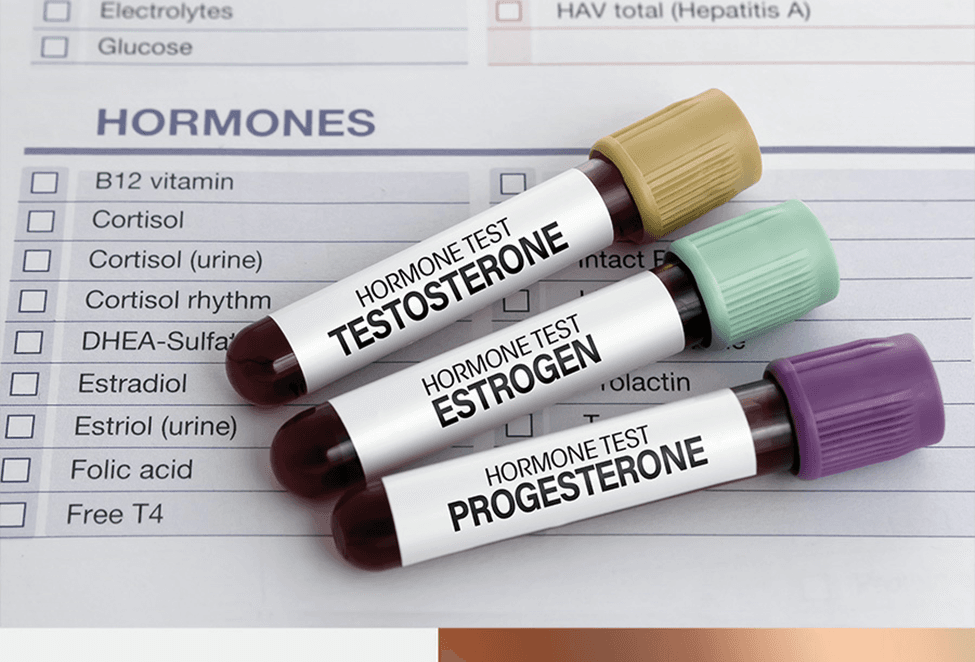
HRT doesn’t fix everything overnight. But for many women, it sets the foundation for healing. Estrogen and progesterone, the core hormones in most HRT plans, play powerful roles in brain function, sleep, emotional stability, and skin health. When these levels are restored, subtle but meaningful changes can be felt.
Some women, like Louise Balforth, noticed their periods became more regular, night sweats eased, and even persistent dryness disappeared. For others, especially those who were deeply fatigued, irritable, or anxious, HRT acted like a dimmer switch turned slowly back toward the light.
It didn’t eliminate every problem, but it gave them back a sense of self.
Whether or not you start feeling better mainly concerns who you are when the HRT symptoms start to fade. Many women say they start feeling better about themselves, not just physically but mentally and emotionally.
They feel more capable at work. More patient as parents. And even more present in relationships. Some others who had struggled with self-worth due to persistent mood changes even reported feeling more self-assured.
Still, HRT isn’t a universal solution. The journey can be rocky. For instance, some women, such as Louise, found synthetic progesterone caused rage and exhaustion, leading her to try micronized progesterone instead.
Others noticed sleepiness or mood swings early in treatment, especially with certain combinations. But nearly all agreed that finding the right formulation via the right provider made the biggest difference.
Feeling better about yourself since starting HRT can take time. Hormones are powerful, and your body needs time to recalibrate. It may take three months or longer for HRT to start working fully.
Sometimes, the dosage isn’t quite right. Sometimes, it’s the delivery method. For instance, oral tablets might cause nausea, while transdermal patches or gels can feel easier on the system. If you’re not feeling better, it doesn’t necessarily mean HRT isn’t for you. It may just mean your treatment plan needs adjusting.
And then there’s life. Stress, illness, poor sleep, and lack of exercise can all interfere with your very own hormone balance. So, to get the most out of HRT, it should be part of a comprehensive wellness plan. This includes movement, good food, less alcohol, and some self-compassion to boot.
It’s easy to second-guess.
Am I really feeling better? Is this just a placebo? What if the effect wears off?
These questions are common. But if you find yourself laughing again, sleeping better, and snapping less, it should mean something. It is not a placebo, for sure. It really could be healing. In fact, it is, which is why you deserve to trust the progress you are feeling.
Dr. Thom Phillips reminds us that while many doctors emphasize estrogen, the type of progesterone also plays a big role in mental well-being.
Some women respond better to body-identical hormones – Utrogestan and the like. However, some are fine with synthetic options. So, you see how personal that is? If you, too, are experiencing persistent symptoms, such as irritability or fatigue, about time you revisited your prescription with a specialist.
Sometimes, HRT just doesn’t feel good at first. But that doesn’t mean it’s failing. No. Hormonal adjustment takes time. And side effects can mimic menopause symptoms. So, you need to give it at least three months. If it’s still not working or symptoms continue to be severe, you can try different formulations or delivery methods.
The main idea is to keep it personalized because your body is not broken; it just needs the right support.
Feeling better about yourself since starting HRT is less about lab results and more about life quality. Can you get through the day without crying in the car? Can you enjoy a meal without bloating or anxiety? Can you sit with your partner without recoiling from touch? These are the victories.
Hormones are not just medical; they are also emotional, relational, and deeply personal. Starting HRT isn’t a cure-all, but for many women, it’s the first step back to who they once were or, even better, who they are becoming.
So, have you started feeling better about yourself since starting HRT? If yes, you’re not alone. If not yet, you’re still on the road – and there are many routes to get there.
But talk to only a trusted provider. Review your options. Track your symptoms. Don’t settle. And most of all, give yourself the grace to heal in your own time.

Contact Us